AGP Executive Report
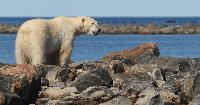
Last update: 12 minutes agoArctic Emissions: Nordic environmental groups are urging governments to back measures to cut black carbon from Arctic shipping, which contributes to melting sea ice and the Greenland ice sheet. Sea Ice: New research suggests the Arctic could lose about one million square kilometres more winter sea ice than earlier projections indicated. Greenland’s Resources: Greenland is moving to suspend seabed mining until 2029, while a company says it is seeking permits to drill an exploratory oil well in East Greenland in 2027. Ice and Wildlife: Research indicates Greenland’s Camp Century was ice-free during warmer summers in the past. Separately, avian influenza antibodies were found in 23% of sampled East Greenland polar bears in 2025, showing the virus has reached Arctic wildlife.
Note: AI summary from news headlines; neutral sources weighted more to help reduce bias in the result. Feedback is welcome. Please let us know if you have any comments or suggestions about the AGP Executive Report.




 Perspectify News