AGP Executive Report
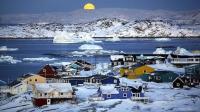
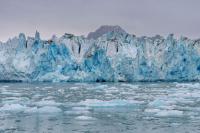
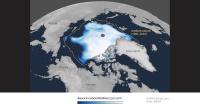
Last update: 32 minutes agoGreenland Ice Loss: The ice sheet lost about 135 billion tonnes in the year to August 2026, marking its 30th consecutive year of net decline—even after a relatively cool start to summer. Oil Drilling Plans: Greenland Energy Company is targeting exploratory drilling in eastern Greenland in 2027, but the project still needs environmental and social impact approvals. Greenland stopped issuing new oil and gas exploration licences in 2021 over environmental concerns. Arctic Protection: The Last Ice Area north of Canada and Greenland could shelter ice-dependent wildlife and support Inuit livelihoods, but its survival depends on sea ice carried from across the Arctic. WWF says protecting it requires governance that accounts for those far-reaching connections.
Note: AI summary from news headlines; neutral sources weighted more to help reduce bias in the result. Feedback is welcome. Please let us know if you have any comments or suggestions about the AGP Executive Report.




 Perspectify News